How to Reduce Ad Spend & Increase ROI in 2026
A Practical Guide for Google Ads & Meta Ads
Paid advertising is no longer about spending more to get more.
In 2026, businesses across industries are facing the same challenge:
ad costs are rising, competition is tighter, and ROI is harder to maintain.
Google Ads and Meta Ads are still powerful platforms—but without the right structure, they can quietly drain budgets while delivering inconsistent results.
This guide explains how businesses can reduce ad spend while increasing ROI, using proven performance marketing frameworks applied across Google Ads and Meta Ads.
Rather than surface-level tips, this article focuses on how modern performance teams and agencies actually optimize campaigns in 2026.
Who This Guide Is For (Audience Clarity)
This guide is especially useful for:
- Business owners spending ₹50,000+ per month on ads
- Marketing managers responsible for lead quality and ROI
- Brands running Google Ads or Meta Ads with inconsistent performance
- Companies planning to scale ads but worried about rising costs
If you’re already advertising and feel money is leaking somewhere — this guide is for you.
Why Ad Spend Increases While ROI Declines
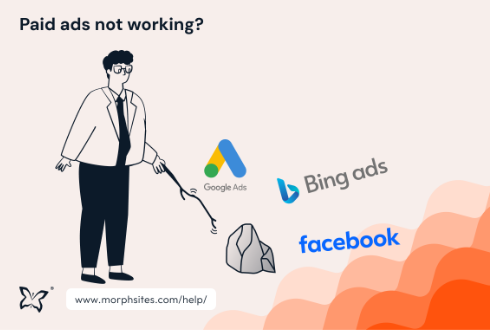
When ROI drops, most advertisers assume the platform is the problem.
In reality, declining ROI is usually caused by internal inefficiencies, not Google or Meta.
Common reasons include:
- Budgets allocated without intent prioritization
- Broad targeting that attracts low-quality traffic
- Creatives optimized for clicks instead of conversions
- Poor attribution hiding real performance
- Landing pages that fail to convert traffic
👉 To reduce Google Ads cost or Meta Ads spend, the first step is identifying where money is being wasted — not cutting budgets blindly.
Where Ad Spend Is Commonly Wasted (Quick Overview)
| Area | Common Issue | ROI Impact |
| Targeting | Low-intent audiences | High CPA |
| Keywords | Informational searches | Poor lead quality |
| Creatives | Clickbait messaging | Low conversion rate |
| Landing pages | Slow load / unclear CTA | Drop-offs |
| Attribution | Last-click only | Wrong decisions |
This is why advertisers often feel they’re “spending more but getting less.”
The 2026 Performance Marketing Framework
(How Agencies Reduce Spend and Improve ROI)
High-ROI campaigns in 2026 follow a structured optimization process, not random adjustments.
Below is the framework that consistently delivers better efficiency across both Google Ads and Meta Ads.
Step 1: Audit Campaigns Before Optimizing
Optimization without diagnosis leads to guesswork.
A proper performance audit answers three critical questions:
- Where is spend generating volume but low value?
- Which campaigns attract leads that don’t convert downstream?
- Which channels look profitable but rely on flawed attribution?
What to review during an audit:
- Cost per lead vs actual lead quality
- Conversion rate by campaign and audience
- Search terms and placements consuming budget
- Audience frequency and fatigue (Meta)
- Keyword intent alignment (Google)
Key principle:
You cannot reduce ad spend sustainably without first identifying leakage points.
👉 Internal link opportunity: Performance Audit / Contact Page
Step 2: Allocate Budget Based on Intent, Not Platforms
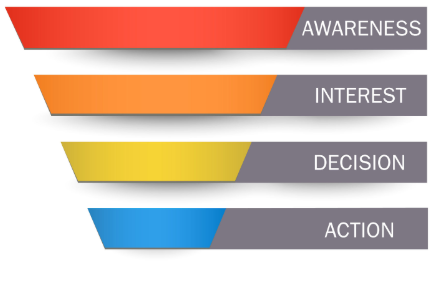
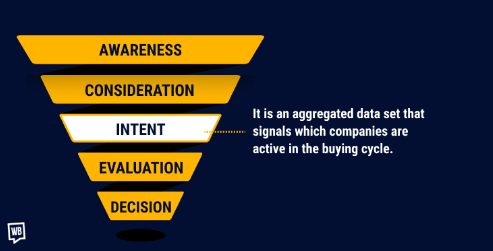
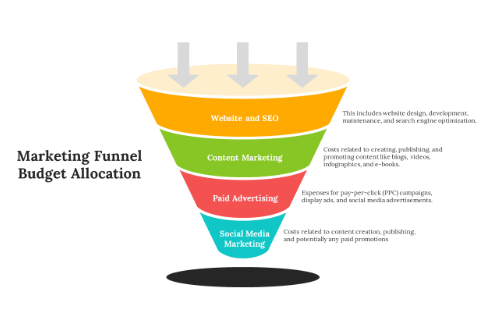
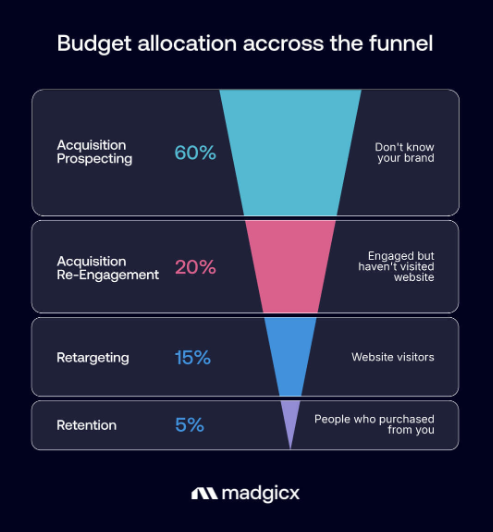
One of the most common mistakes advertisers make is dividing budgets evenly across platforms.
High-ROI advertisers allocate budget based on intent level, not channel preference.
Intent-based budget structure:
High intent (protect and scale):
- Branded keywords
- Bottom-funnel search queries
- Retargeting audiences
Mid intent (optimize carefully):
- Category and solution keywords
- Lookalike and similar audiences
- Problem-aware searches
Low intent (limit aggressively):
- Broad interests
- Awareness campaigns without follow-up
- Informational queries with no conversion path
👉 Reducing ad spend often means cutting low-intent traffic — not cutting high-performing campaigns.
Step 3: Control Audience Fatigue and Expansion
Audience exhaustion is one of the fastest ways ROI declines on Meta Ads.
Similarly, irrelevant queries quietly drain spend on Google Ads.
Best practices in 2026:
- Gradually phase out underperforming audiences
- Expand winning audiences incrementally
- Refresh lookalike audiences regularly
- Monitor frequency before performance drops
- Add negative keywords continuously on Google
High ROI comes from audience discipline, not constant scaling.
🔍 Mid-Blog Reality Check (Soft CTA)
Not sure whether your ad spend problem is targeting, creatives, or landing pages?
Most ad budgets are wasted before ads even scale — because the structure is wrong.
A structured audit often reveals where money is leaking faster than constant tweaks.
(Keep reading — the framework gets more precise.)
Step 4: Use Predictive Signals, Not Reactive Bidding
Many advertisers react only after performance drops — by lowering bids or pausing campaigns.
By then, the damage is already done.
High-performing teams monitor early signals such as:
- Rising CPA trends
- Declining CTR across stable impressions
- Increasing frequency without conversion lift
Bidding decisions should be guided by:
- Historical conversion data
- Profit margins (not arbitrary CPA targets)
- Smart bidding systems with clean data inputs
👉 Lowering bids alone does not reduce waste. Better signals do.
Step 5: Evaluate Creatives Based on Conversion Impact
Clicks and engagement are not performance metrics.
In 2026, high-ROI advertisers use creative scorecards focused on conversion quality.
High-performing creatives typically:
- Qualify the audience clearly
- Address objections early
- Match landing page messaging
- Reduce curiosity-driven clicks
👉 A creative with a lower CTR but higher conversion rate often reduces ad spend more effectively than a viral ad.
Step 6: Conversion Rate Optimization (CRO) Multiplies ROI
No ad strategy can compensate for a weak landing page.
A simple truth remains unchanged:
If your page converts at 1%, no platform can deliver strong ROI.
Before increasing spend, optimize:
- Page load speed
- Message clarity
- CTA focus
- Trust signals and proof points
- Mobile experience
Improving conversion rate from 1% to 2% effectively doubles ROI without increasing ad spend.
👉 Internal link opportunity: CRO / Landing Page Optimization Page
Step 7: Fix Attribution to See Real Performance
Last-click attribution hides inefficiencies.
In 2026, performance decisions must consider:
- Assisted conversions
- Cross-platform journeys
- First-touch and mid-funnel influence
- Retargeting contribution
This prevents cutting campaigns that appear expensive but actually drive conversions later in the funnel.
What Results This Framework Delivers
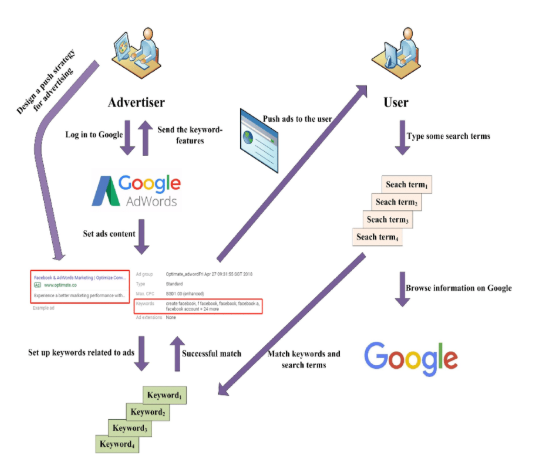
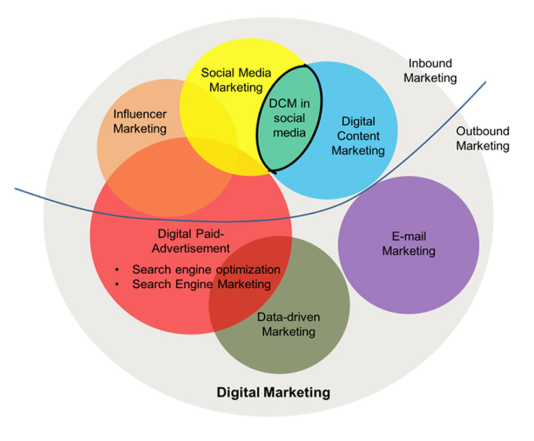
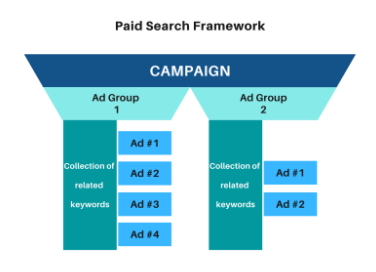
When applied consistently, businesses typically see:
- Reduced wasted ad spend
- Higher lead quality with fewer conversions
- More predictable ROI
- Better scalability across platforms
At NineDigitall, we apply this framework across Google Ads and Meta Ads for service businesses, D2C brands, and B2B companies — and the pattern is consistent:
👉 ROI improves when structure improves.
Common ROI-Killing Mistakes to Avoid
- Scaling budgets before fixing conversion issues
- Optimizing for CPC instead of CPA or revenue
- Chasing platform trends over fundamentals
- Ignoring landing page performance
- Pausing campaigns too early due to flawed attribution
Frequently Asked Questions
How can I reduce ad spend without reducing leads?
By cutting low-intent traffic, improving CRO, and reallocating budget toward high-intent campaigns.
Is Google Ads or Meta Ads better for ROI?
ROI depends on intent. Google captures demand, Meta creates it. The strongest results come from combining both strategically.
How often should ad campaigns be audited?
Campaigns should be reviewed weekly for performance signals and audited monthly for spend efficiency.
Does creative quality really affect ROI?
Yes. Poor creatives attract unqualified clicks, increasing spend and lowering conversion rates.
Final Takeaway
Reducing ad spend is not about spending less — it is about spending smarter.
In 2026, the businesses that improve ROI consistently:
- Audit before scaling
- Allocate budget by intent
- Manage audiences systematically
- Optimize creatives for conversions
- Fix conversion leaks before increasing spend
ROI improves when structure improves.