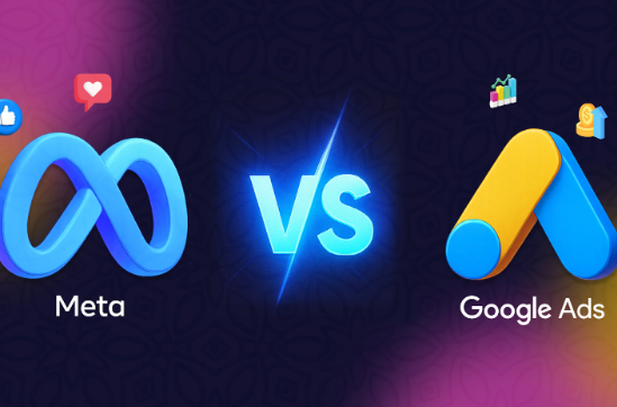
Google Ads vs Meta Ads: Which Converts Better for Businesses in 2026?
Search behavior has evolved.
Advertising platforms have matured.
And competition for attention is more intense than ever.
As businesses plan their paid marketing budgets for 2026, one question consistently surfaces:
Should we invest in Google Ads or Meta Ads?
Both platforms are powerful.
Both can generate leads and revenue.
And both can drain budgets when used without a clear strategy.
The real question is not which platform is better.
It is which platform converts better for your specific business model, budget, and funnel stage.
This guide offers a clear, unbiased breakdown to help you make an informed, ROI-focused decision.
Understanding the Core Difference (This Matters More Than You Think)
Before comparing conversion performance, it’s critical to understand how each platform captures intent.
Google Ads: Demand Capture
Google Ads positions your business in front of users who are actively searching for a solution.Examples include:
- “best digital marketing agency in Bangalore”
- “CRM software pricing”
- “buy running shoes online”
These users already recognize their problem and are looking for the best available option—now.
- High intent
- Short decision cycle
- Higher likelihood of immediate conversion
Meta Ads: Demand Creation
Meta Ads (Facebook and Instagram) reach users who are not actively searching, but who match relevant interest, behavior, or demographic signals.
Examples include:
- A user discovering a fitness program while scrolling Instagram
- A business owner encountering a lead ad for marketing services
These users require:
- Context
- Education
- Repeated exposure
This fundamental difference explains why conversion behavior varies significantly between the two platforms.
Google Ads: When Does It Convert Better?
Google Ads typically delivers stronger conversions when clear demand already exists.
Google Ads performs best for:
- Service-based businesses (agencies, clinics, consultants)
- Local businesses
- B2B offerings with defined use cases
- Urgent or problem-aware searches
Why Google Ads converts better for leads:
- Users are already searching with intent
- Fewer touchpoints are needed
- Faster decision-making
Common conversion actions:
- Phone calls
- Contact form submissions
- Demo bookings
- Direct purchases (category-specific)
Trade-offs to consider:
- Higher cost per click
- Intense keyword competition
- Weak landing pages quickly erode ROI
Reality check:
Google Ads does not compensate for poor messaging or slow websites.
High intent combined with a weak experience results in lost conversions.
Meta Ads: When Does It Convert Better?
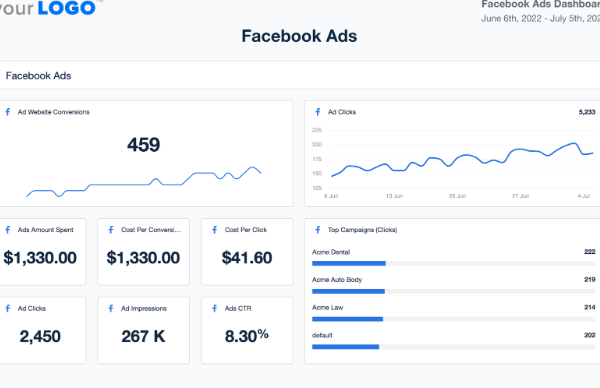
Meta Ads are more effective when a product or service requires explanation, emotional connection, or repeated exposure.
Meta Ads performs best for:
- D2C and eCommerce brands
- Subscription-based products
- Coaching, education, and digital programs
- Brands focused on awareness before conversion
Why Meta Ads can outperform:
- Sophisticated audience targeting
- High-impact creative formats (reels, stories, video)
- Lower cost per impression
- Strong retargeting capabilities
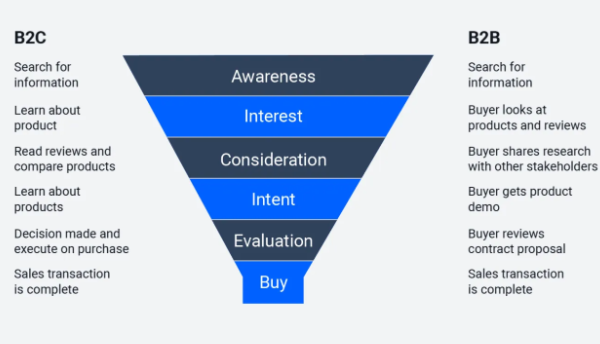
Common conversion actions:
- Lead form submissions
- Website sign-ups
Add-to-cart events - App installs
Trade-offs to consider:
- Cold audiences rarely convert immediately
- Creative quality outweighs targeting
- Funnel strategy is essential
Reality check:
Meta Ads rarely fail because of the algorithm.
They fail due to weak creatives and the absence of a follow-up funnel.
Google Ads vs Meta Ads: Conversion Comparison
| Factor | Google Ads | Meta Ads |
| User intent | High | Medium to Low |
| Conversion speed | Faster | Slower |
| Cost per click | Higher | Lower |
| Creative importance | Medium | Very High |
| Funnel complexity | Simple | Multi-step |
| Best suited for | Services, B2B, Local | D2C, Awareness, Retargeting |
| Scalability | Limited by demand | Highly scalable |
Which Is Better for Small Businesses?
Here’s the honest answer many blogs avoid:
- Small service businesses tend to convert better with Google Ads
- Small product-based brands often see stronger results with Meta Ads
- Limited budgets perform best when platforms are combined strategically
If your business relies on leads, Google Ads usually delivers higher intent.
If your business depends on visibility and volume, Meta Ads often wins.
Mid-Blog Reality Check
Not sure which platform actually fits your business?
A significant portion of ad spend is wasted before campaigns even launch, simply because the wrong platform is chosen.
A performance audit can help identify:
- Which channel aligns with your business model
- Where budget leakage is happening
- Whether ads or landing pages are the real bottleneck
So, Which Converts Better in 2026?
Here is the clear, experience-based answer:
- Google Ads converts better on a per-click basis
- Meta Ads converts better at scale
When compared directly:
- Conversion rate → Google Ads often leads
- Cost per lead at scale → Meta Ads often outperforms
Ultimately, conversion quality depends on context, not the platform itself.
Industry-Wise Recommendations
Service businesses and agencies
Start with Google Ads, then layer Meta Ads for retargeting.
eCommerce and D2C brands
Start with Meta Ads, supported by Google Ads for high-intent searches.
B2B SaaS and technology companies
Use both:
- Google Ads for demos and solution-aware searches
- Meta Ads for awareness and remarketing
Local businesses
Google Ads should be the priority.
The Biggest Mistake Businesses Make
The most common mistake is choosing one platform and ignoring the other.
High-performing campaigns in 2026 typically follow this sequence:
- Meta Ads build awareness and engagement
- Google Ads capture high-intent demand
- Retargeting connects both platforms
- CRO converts traffic into revenue
The platforms are not competitors.
They are complementary.
Conversion Rate Optimization: The Deciding Factor
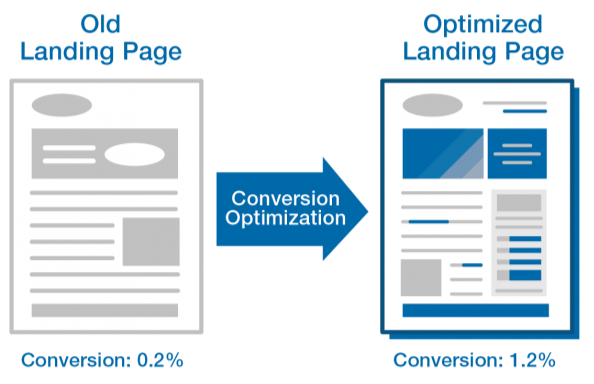
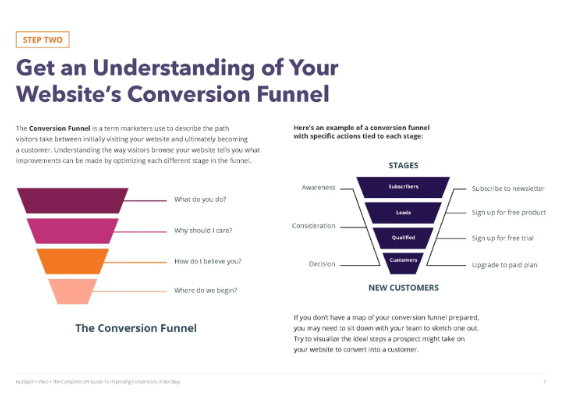
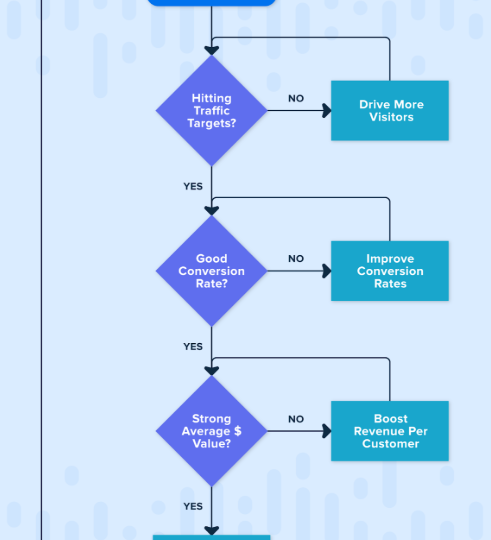
A critical truth:
If your landing page is weak, neither Google Ads nor Meta Ads will convert effectively.
High-converting campaigns focus on:
- Clear and concise messaging
- Fast page load times
- Strong social proof
- A single, focused CTA
- Minimal distractions
In many cases, improving CRO increases conversions without increasing ad spend.
What We See Working Best in 2026 (Agency Insight)
From real campaign performance, successful businesses consistently:
- Use both platforms strategically
- Allocate budgets by funnel stage
- Test creatives aggressively on Meta Ads
- Optimize keywords continuously on Google Ads
- Measure lead quality, not just volume
At NineDigitall, we manage Google Ads and Meta Ads campaigns for service businesses, D2C brands, and B2B companies—and these patterns remain consistent across accounts.
There is no longer a “set and forget” platform.
Frequently Asked Questions
Which is cheaper: Google Ads or Meta Ads?
Meta Ads usually have lower CPCs, while Google Ads often deliver higher-intent leads. Lower cost does not always mean higher ROI.
Which platform converts better for leads?
For service-based and B2B businesses, Google Ads generally converts better for direct leads.
Should businesses use both platforms?
Yes. Combining demand creation (Meta Ads) with demand capture (Google Ads) produces the strongest results.
Is Meta Ads better for brand awareness?
Yes. Meta Ads excel at awareness, engagement, and retargeting.
Final Verdict
Ask yourself:
- Are customers already searching for my service? → Google Ads
- Do I need to educate and build trust first? → Meta Ads
- Do I want both fast leads and scalable growth? → Use both
In 2026, the winning strategy is not Google Ads vs Meta Ads.
It is Google Ads + Meta Ads, aligned to the right funnel.